Buying used tires in Abbotsford: what to check before you pay
A used set can save real money, or leave you with tires that need replacing in a season. Check the age, the tread and the inside of each tire before any money changes hands.
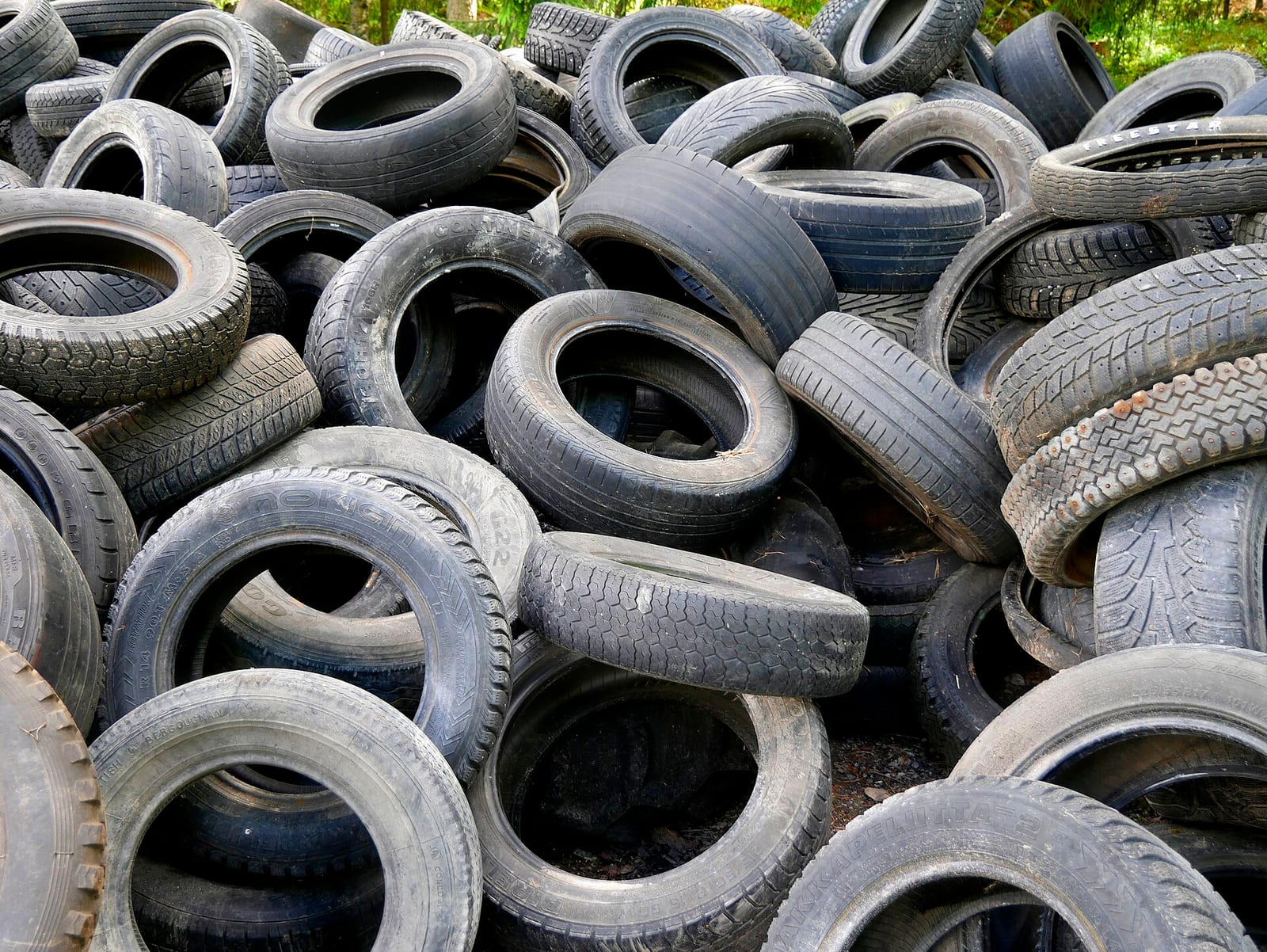
- Check the date code before anything else. A tire with deep tread can still be near the end of its life if it’s old.
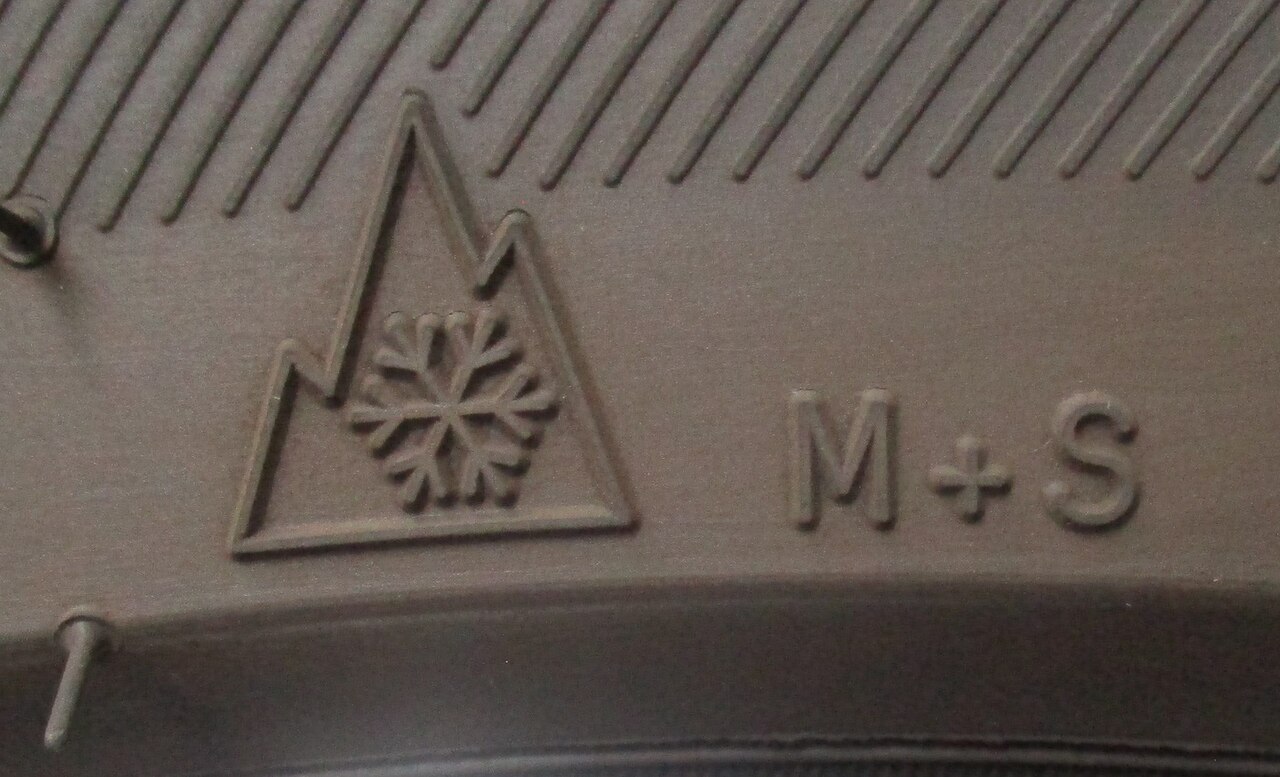
- BC’s legal minimum is 1.5 mm of tread. Winter tires on designated highways need 3.5 mm and the right symbol.
- Have a shop look inside each tire before it’s mounted. Old repairs and liner damage can’t be seen from the outside.
Check the date code first
Every tire carries a code on its sidewall that starts with DOT. The last four digits give the week and year it was made, so 2421 means the 24th week of 2021. The full code is sometimes printed on only one side, so check the inner sidewall if you can’t find it.
Canada has no legal age limit for tires, so the guidance comes from the people who make them. Michelin and Bridgestone recommend a yearly inspection by a tire professional after five years and replacement ten years after manufacture, whatever the tread looks like. Ford recommends replacing tires on its vehicles after six years.
For a used purchase, MDF would treat anything past six years as a short-term tire and expect the price to reflect that. If the four tires in a set have very different dates, ask why. One of them may have replaced a damaged tire.
Measure the tread, not just the look of it
Under BC’s Motor Vehicle Act Regulations, a passenger-vehicle tire is defective with less than 1.5 mm of tread depth. It also fails if the wear bars in two neighbouring grooves touch the road. Those bars are moulded into the grooves at about 1.6 mm, so a tire that’s flush with them is worn out.
The legal minimum marks the point where a tire becomes defective. It isn’t a target. A used tire close to it has very little life left, so measure each tire in several places with a tread depth gauge from a parts store. Uneven readings across one tire point to alignment or pressure problems on the car it came from.
Look for damage you can see
Walk around each tire with good light. Pass on any tire with a bulge or lump in the tread or sidewall, since BC treats those as defects and they usually mean the layers inside have separated. Cracks in the sidewall, cuts that reach the cords, and damage around the bead, where the tire seals against the wheel, are also reasons to walk away.
The U.S. Tire Manufacturers Association’s used-tire bulletin adds a few less obvious warning signs. Avoid tires with any puncture, repaired or not, signs of having been driven flat, a missing or defaced DOT code, tread that has been cut deeper by hand, or residue from tire sealant inside.
Matching tires on all-wheel-drive vehicles
Many all-wheel-drive and four-wheel-drive systems expect all four tires to be the same size and close to the same tread depth. Michelin says these systems typically need matching circumference on all four tires, which usually means replacing all four at once. Continental warns that replacing a single tire can affect the drivetrain and wear the tread unevenly.
If you have an AWD vehicle, a single used tire to replace a damaged one is rarely a bargain. Check the owner’s manual for the maker’s limits before you buy, and bring your current tread readings so you can compare.
Have them checked before they’re mounted
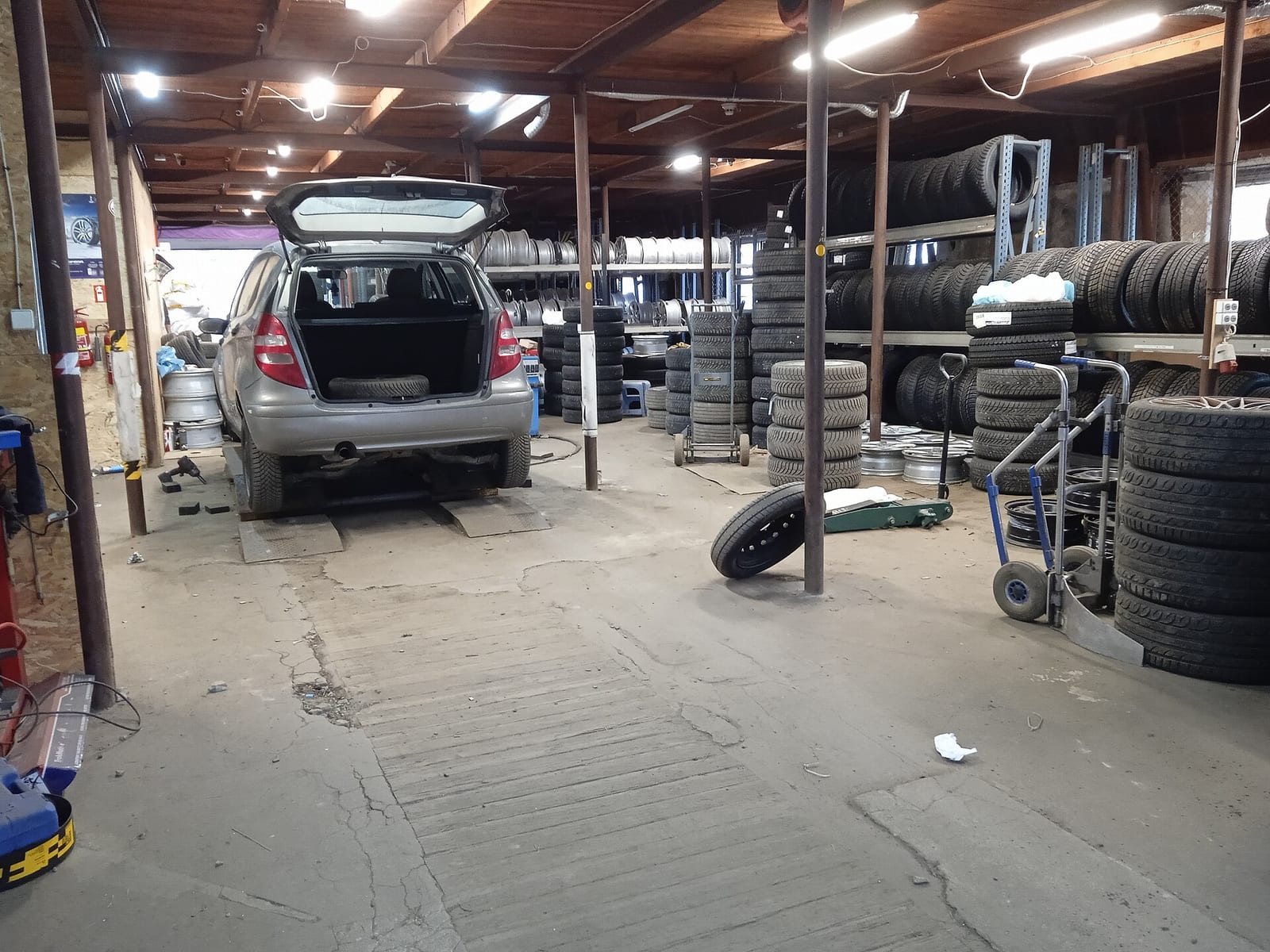
The inside of a tire tells you about old repairs, sealant and run-flat damage, and you can’t see it while the tire is on a wheel. Ask the shop doing the install to inspect each tire inside and out before mounting and balancing. If one fails, you want to know before you’ve paid for the installation. Some local shops sell used tires themselves; the tire shop directory shows which ones list them.
Questions people ask
How old is too old for a used tire?
There's no legal age limit for tires in Canada or BC, so the guidance comes from manufacturers. Michelin and Bridgestone recommend a yearly professional inspection after five years and replacement at ten years from manufacture. Ford recommends replacing its vehicles' tires after six years. For a used purchase, we'd treat anything past six years as short-lived and price it that way.
Is a used tire with a plug or patch still worth buying?
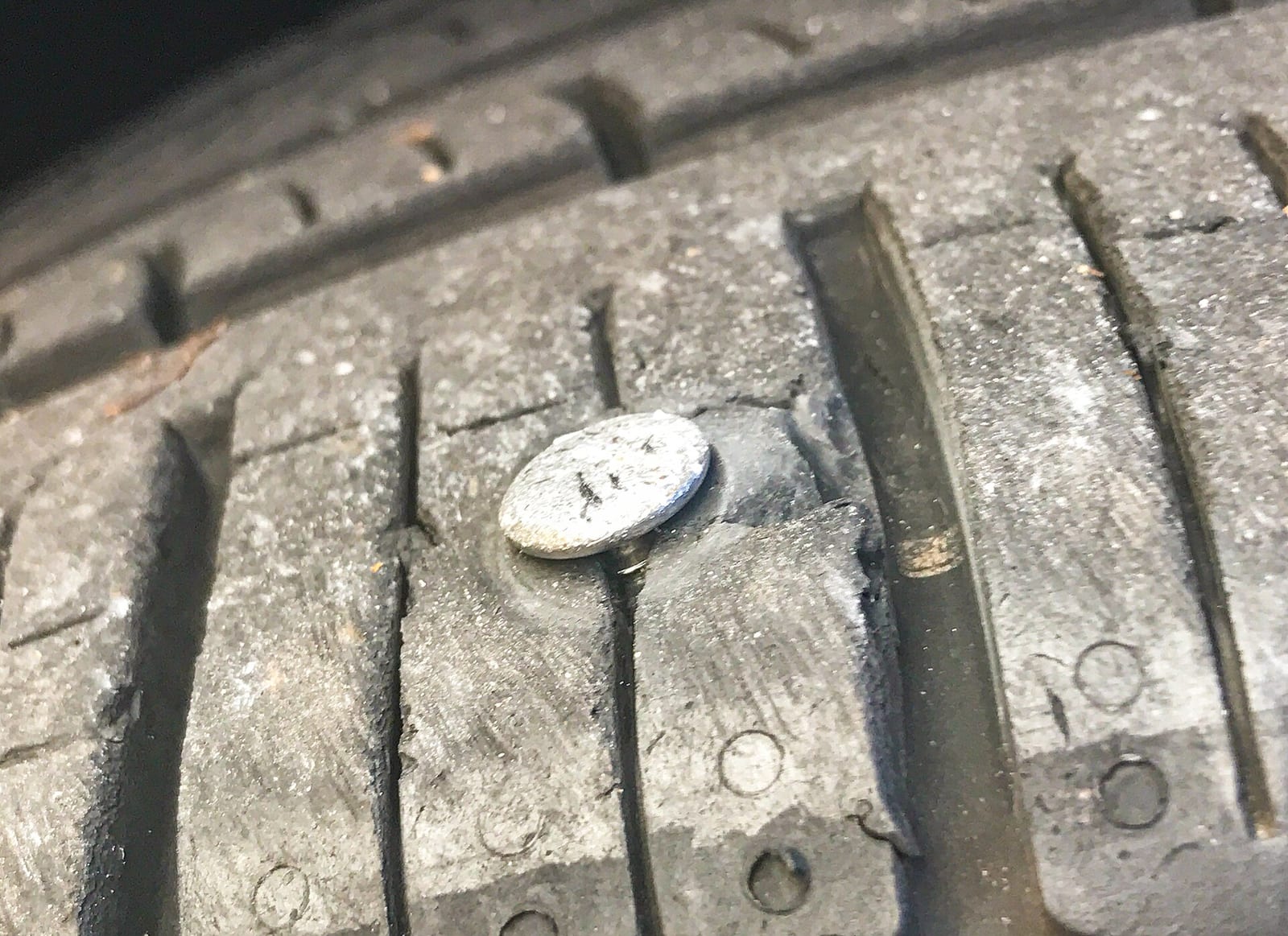
The U.S. Tire Manufacturers Association doesn't recommend installing used tires with any puncture, repaired or not. You usually can't see how the repair was done without taking the tire off the wheel, and a plug pushed in from the outside isn't a proper repair. Pass on it unless a shop has inspected the inside.
Can used winter tires count for BC's winter tire rules?
Yes, if they qualify. On designated BC highways, a winter tire needs the mountain-snowflake symbol or the M+S mark and at least 3.5 mm of tread. A worn set can be legal for town driving and still fall short on those routes.
Do I have to replace all four tires on an all-wheel-drive vehicle?
Often, yes. Michelin says most AWD and 4WD systems need all four tires to have the same circumference, which usually means replacing all four together. Check your owner's manual before buying a single used tire or a pair.
- Motor Vehicle Act Regulations, B.C. Reg. 26/58, s. 7.161 (tire defects) and s. 7.162 (winter tires). bclaws.gov.bc.ca
- Government of BC — About winter tires. gov.bc.ca
- Government of BC — Winter tire and chain-up routes. gov.bc.ca
- U.S. Tire Manufacturers Association — Tire Information Service Bulletin 45-5, Passenger and light truck used tires (August 2024). ustires.org
- Bridgestone/Firestone Canada — Tire maintenance and safety manual. bridgestonetire.com
- Michelin — When do I need new tires? michelinman.com
- Michelin — Mixing tire brands and AWD vehicles. michelinman.com
- Continental Tire Canada — Replacing SUV tires. continental-tires.com
- Ford — Tire replacement and maintenance. ford.com
- Tire and Rubber Association of Canada — Tire shopping basics. tracanada.ca


_02.jpg)
.jpg)
_-_panoramio.jpg)


.jpg)
