Winter tires vs all-weather tires: what's better for Abbotsford?
Abbotsford winters are mostly cold and wet, not snowy — until you head up the Coquihalla or get caught in an outflow cold snap. Here's how to choose tires for how you actually drive.
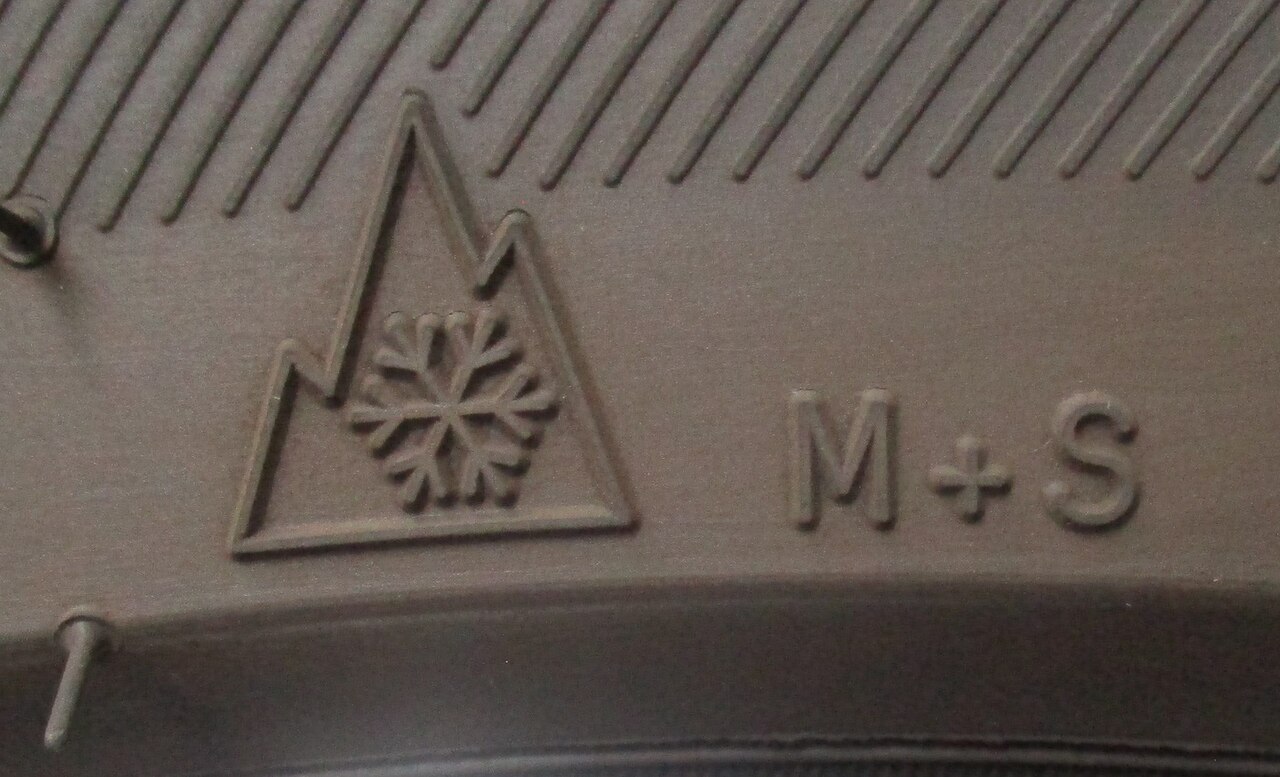

- Mostly in town and on Highway 1 west of Chilliwack? A good all-weather tire is a sensible year-round choice.
- Regularly driving the Coquihalla, Highway 3 or up to the ski hills? Dedicated winter tires are the safer pick.
- Both carry the three-peak mountain snowflake symbol and qualify on BC's designated winter routes with enough tread.
What's actually different
Winter tires use a soft rubber compound that stays flexible well below freezing, with deep tread and lots of small cuts (sipes) that bite into snow and ice. They're built for the coldest months and wear quickly once the weather warms up.
All-weather tires sit between a winter tire and an all-season. They meet the same severe-snow test as a winter tire, but use a compound that can handle summer heat — so you can leave them on all year. The trade-off is less grip than a dedicated winter tire on ice and hard-packed snow.
All-season tires, despite the name, are closer to a three-season tire. Their rubber stiffens as temperatures drop toward 7°C, which is most Fraser Valley mornings from November to March.
Side by side
| Winter | All-weather | All-season | |
|---|---|---|---|
| Sidewall symbol | Mountain snowflake | Mountain snowflake | M+S (usually) |
| Cold, wet valley roads | Excellent | Very good | Fair |
| Snow & ice | Best | Good | Limited |
| Summer driving | Not recommended | Good | Best |
| Seasonal swap | Twice a year | None | None |
| Best for | Mountain passes, ski trips, rural hills | Valley commuters | Summer set only |
What Abbotsford winters actually look like
Most winter days in Abbotsford are 2–7°C and raining. Snow usually arrives a handful of times a season, often with Arctic outflow winds pushing down the valley and freezing rain on the edges of the event. Those few days are when most collisions happen — and when the difference between tire types matters most.
Elevation changes the picture quickly. Sumas Mountain, Ryder Lake and the roads toward Hemlock can hold snow while downtown Abbotsford is just wet.
BC's winter tire rules
On designated BC highways, winter tires are required from October 1 to March 31 — and until April 30 on some mountain routes. The Coquihalla (Highway 5) and Highway 3 east of Hope are both designated. To qualify, a tire must show the mountain snowflake or M+S symbol and have at least 3.5 mm of tread.
How to choose
Start with where you drive between November and March, not where you live. If you only leave the valley floor a couple of times a winter and can pick your days, all-weathers cover you well without the twice-yearly swap. If you commute over a pass, ski regularly, or live up a hill, a dedicated winter set is worth the storage space.
Questions we get
Are all-weather tires legal on the Coquihalla?
Yes. All-weather tires carry the mountain snowflake symbol, so they meet BC winter tire requirements on designated highways as long as they have at least 3.5 mm of tread.
When should I put winter tires on in Abbotsford?
When overnight temperatures are consistently below 7°C — usually late October or early November. If you drive designated routes, you need them by October 1 regardless.
Do all-weather tires wear out faster?
Generally they wear faster than an all-season in summer heat, but you avoid buying and storing a second set. Over several years the total cost is often similar.
Should I buy winter tires on separate rims?
If you plan to keep the car a few years, yes. Mounted sets make each seasonal swap quicker and cheaper and reduce wear on the tire bead.
- BC Ministry of Transportation and Infrastructure — Winter tire and chain requirements. gov.bc.ca
- DriveBC — Current road conditions and highway cameras. drivebc.ca
- Tire and Rubber Association of Canada — Winter tire and symbol guidance. tracanada.ca


_02.jpg)
.jpg)
_-_panoramio.jpg)
