How to choose a tire shop in Abbotsford
The cheapest price per tire doesn't always mean the cheapest bill. Here's what a complete quote looks like, what to ask the shop, and how to time a seasonal swap around BC's winter tire dates.
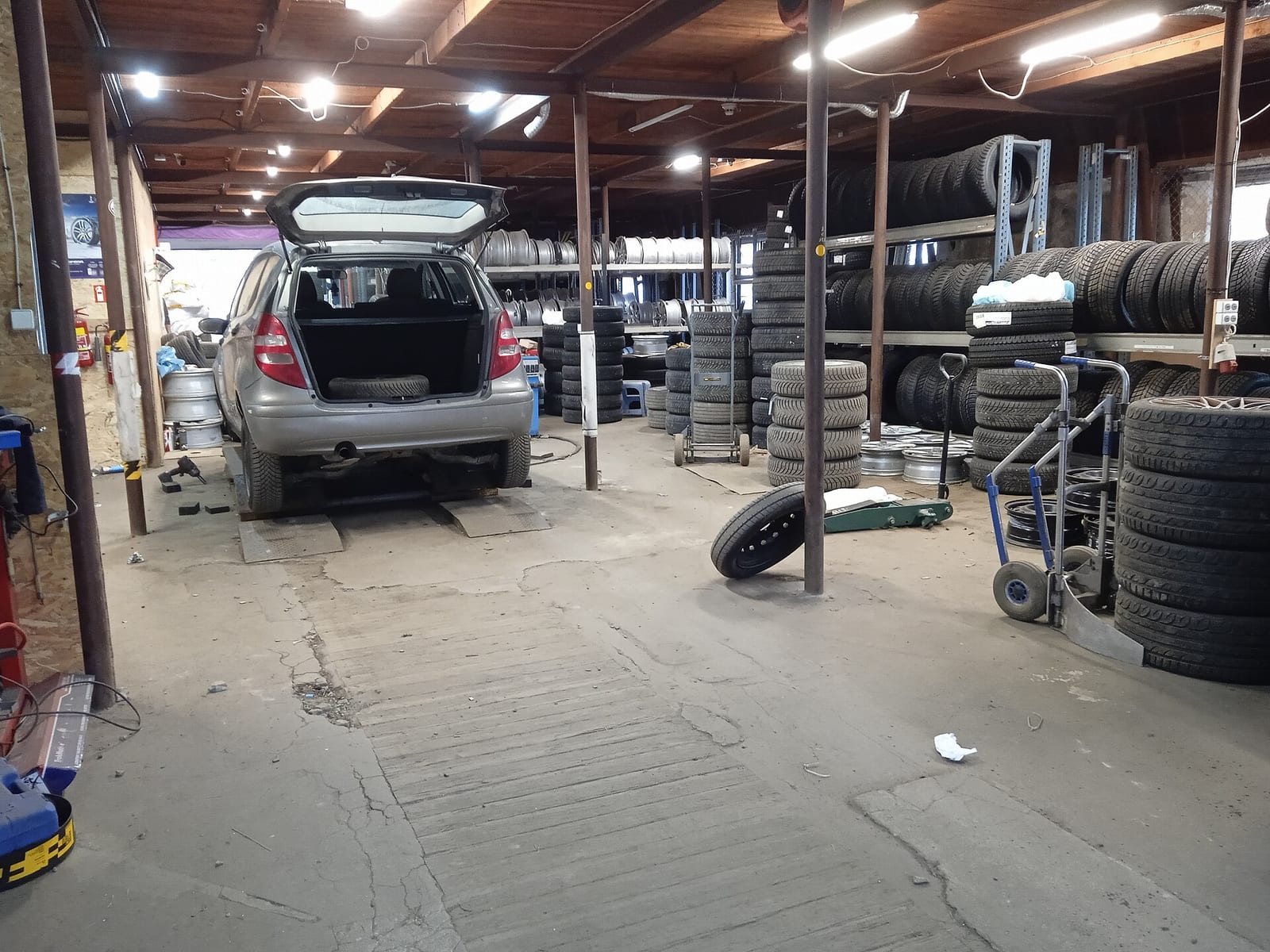
- Compare written, itemized quotes, not the price per tire. Installation, valve parts and the eco fee all add up.
- Ask who does the work. Mechanic certification is voluntary in BC, so it’s a fair question.
- Book seasonal swaps before you need them. Winter tire rules start October 1 on designated highways, including the routes east of Hope.
What a complete tire quote includes
Our tire shop directory lists shops in Abbotsford, Mission, Chilliwack and Aldergrove with addresses, hours and the services each one lists on its website. Use it to build a shortlist, then compare quotes.
Two shops can advertise the same tire at similar prices and still produce quite different bills. Installation, valve parts and fees can change the total, so ask each shop for a written quote that lists every charge for the full set, installed, with tax.
| What it covers | What to ask | |
|---|---|---|
| Tires | The tire model, size, load and speed rating | Is this the exact model and size quoted elsewhere? |
| Mounting and balancing | Fitting each tire to the wheel and balancing it | Is it included, and is it per tire? |
| Valve stems or sensor kit | New valves, or a service kit for tire pressure sensors | Will the sensors be serviced or replaced? |
| Eco fee | Tire Stewardship BC’s fee on each new tire | Is it shown as its own line? |
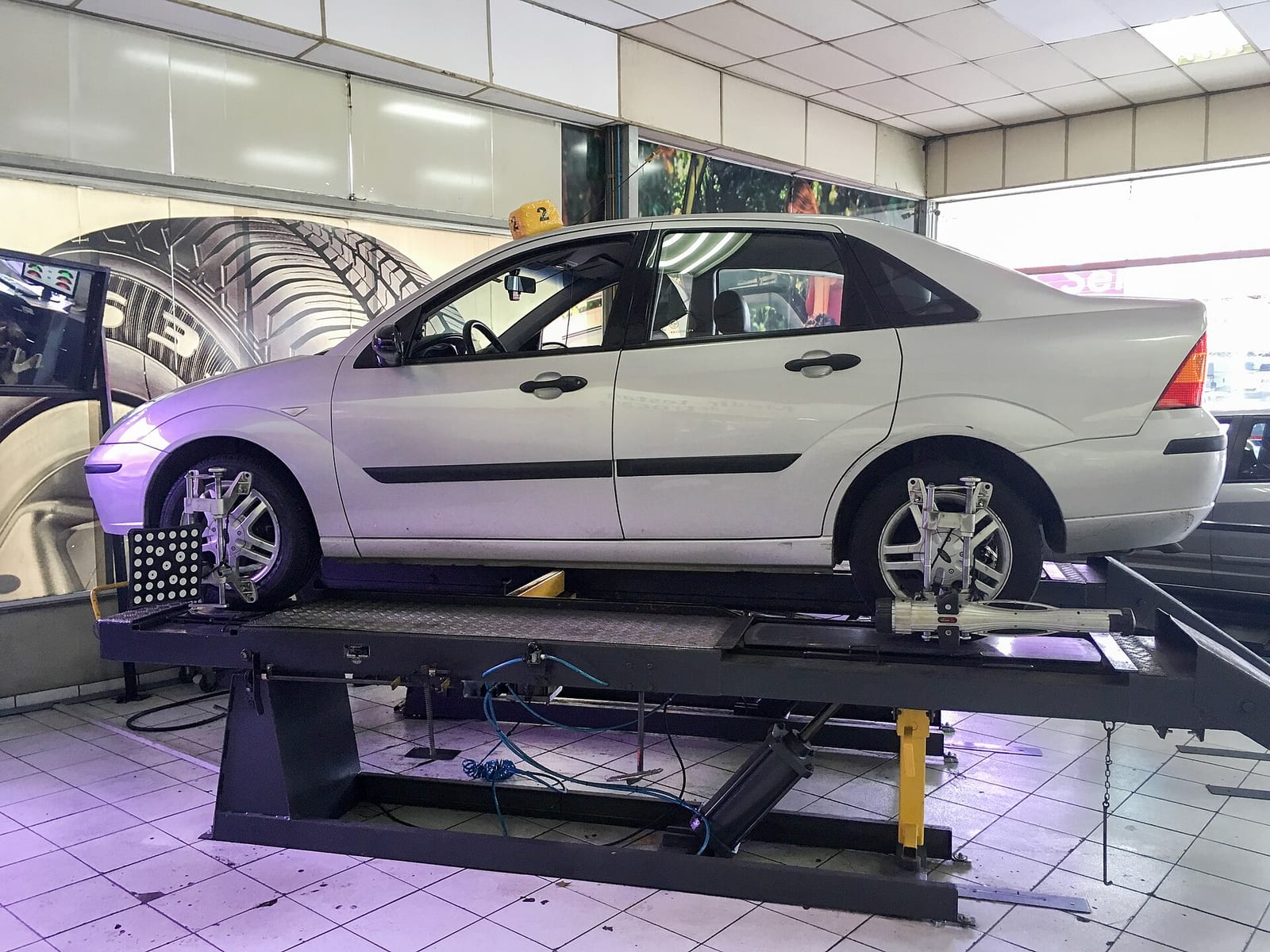
| Alignment | Optional, but often worth doing with new tires | Two-wheel or four-wheel, with a printout? |
Tire Stewardship BC charges an eco fee of $6.50 on each new passenger or light truck tire, rising to $7.00 on January 1, 2027. The USTMA’s tire care guide recommends replacing the parts in the tire pressure sensor’s valve service kit whenever new tires go on, so expect that on the quote if your car has sensors.
Ask who will do the work
SkilledTradesBC certifies automotive service technicians through the Red Seal program, which takes 6,360 hours of work-based training plus three levels of exams and the interprovincial Red Seal exam. The trade covers tires, wheels, steering, suspension and brakes.
Certification isn’t compulsory for automotive technicians in BC. That doesn’t make an uncertified technician a bad one, but asking who will work on your car and what training they have is a reasonable question. A good shop won’t mind it.
Timing your seasonal swap
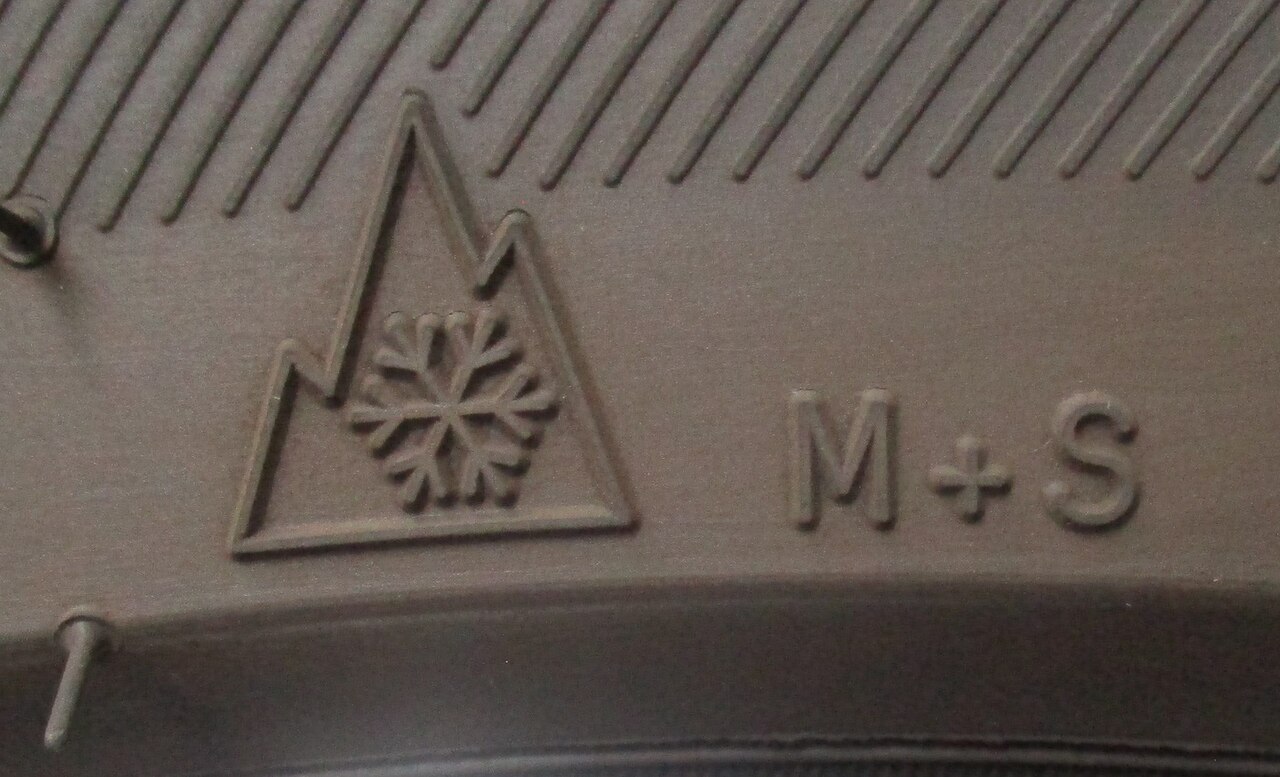
Winter tires or chains are required on most BC routes from October 1 to April 30, and on some lower routes until March 31. To qualify, a tire needs the mountain-snowflake symbol or the M+S mark and at least 3.5 mm of tread.
Ask whether the shop stores off-season tires and what that costs, or plan where you’ll keep them yourself. Transport Canada’s guidance is to store tires upright in a clean indoor spot away from sunlight, heat and electric motors, which give off ozone. Tires stored on rims should be let down to about 103 kPa (15 psi).
After the install
Continental recommends having wheel nuts re-torqued after the first 50 km. Ask whether the shop includes this and whether you need to book it, then note it in your phone so it doesn’t slip.
If your tire pressure warning light comes on after a swap, go back to the shop. Transport Canada notes that winter sets may need the right type of sensor for your vehicle, and changing or rotating tires without resetting the system can trigger a warning. Its advice is to keep checking pressure monthly with a gauge either way.
Questions people ask
Do I need winter tires to drive Highway 1 through Abbotsford?
No. Highway 1 through Abbotsford isn't a designated winter tire route. The requirement applies further east, on Highway 1 near Hope and through the Fraser Canyon, and on the Coquihalla and Highway 3. Check the province's route map before a trip, since dates differ by highway.
What is the eco fee on new tires in BC?
Tire Stewardship BC's fee on new passenger and light truck tires is $6.50 per tire. It rises to $7.00 per tire on January 1, 2027. It should appear as its own line on your quote.
Are tire pressure sensors required in Canada?
Canada's federal vehicle safety regulations don't include a tire pressure monitoring requirement, though many vehicles sold here have the system. Transport Canada still recommends checking tire pressure every month with a gauge, sensors or not.
Should I have my wheel nuts checked after new tires go on?
Continental recommends having wheel nuts re-torqued after the first 50 km. Ask the shop whether a re-torque check is included and whether you need to book it.
- Government of BC — Winter tire and chain-up routes. gov.bc.ca
- Government of BC — South Coast winter tire route map (PDF). gov.bc.ca
- Government of BC — About winter tires. gov.bc.ca
- Tire Stewardship BC — Participant resources and eco fee. tsbc.ca
- SkilledTradesBC — Automotive service technician. skilledtradesbc.ca
- SkilledTradesBC — Skilled trades certification. skilledtradesbc.ca
- Business Practices and Consumer Protection Act, s. 4. bclaws.gov.bc.ca
- Consumer Protection BC — Automobile repairs. consumerprotectionbc.ca
- Transport Canada — Tire pressure monitors. tc.canada.ca
- U.S. Tire Manufacturers Association — Care and service of passenger and light truck tires (hosted by the Tire and Rubber Association of Canada). tracanada.ca
- Transport Canada — Riding on air: tire inflation information (TP 2823). tracanada.ca
- Continental — Retorquing wheels. continental-tyres.co.uk


_02.jpg)
.jpg)
_-_panoramio.jpg)


.jpg)
